From Cold Calls to Warm Conversations: What a 40% Close Rate Teaches You About Modern Revenue Recovery
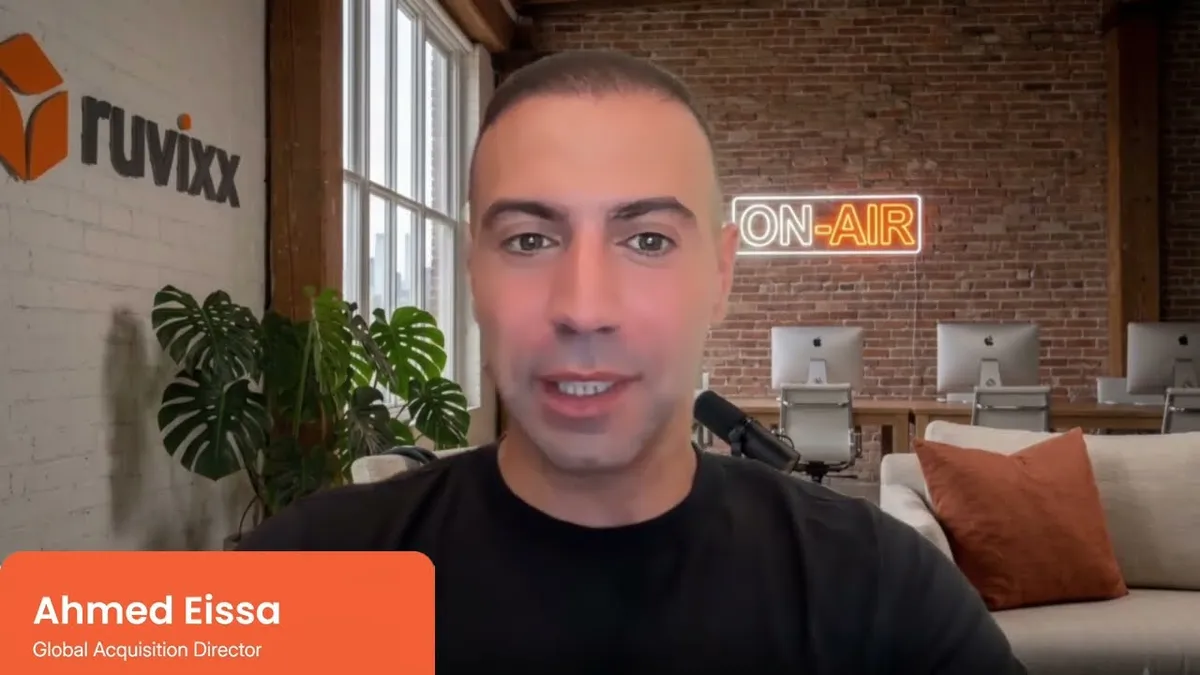
Most sales roles measure a good week by a 10 to 15 percent close rate. Ahmed Eissa, Ruvixx’s Global Acquisition Director, works in a corner of software revenue recovery where 40 percent is the norm. That gap says a lot about how different this work is from traditional sales, and about how much has changed in the anti-piracy space over the past decade.
Eissa sits across the table from VPs at some of the largest software vendors in the world, helping them turn unlicensed and underlicensed usage into paying relationships. Here’s what he’s learned about why this motion converts so well, how the space has shifted since the days of audits and lawsuits, and what actually moves the needle on revenue recovery today.
 Click Here To Watch The Video!
An Accidental Career With an Unusual Conversion Rate
Eissa didn’t set out to work in anti-piracy. He was already in software sales when a role came across his desk that looked, on paper, like just another sales job.
It wasn’t until he was deep in the interview process that he understood what set the work apart: the customer on the other end of the conversation already knows the product, already uses it, and already understands its value. That single fact changes the entire dynamic of the sale.
“Once I really understood the reason why, it’s because the customer already knows the product, uses the product, and understands the value, I was already sold,” he says. “It’s kind of like sales, but just much warmer.”
That warmth shows up directly in the numbers. A close rate of 40 percent, against an industry norm closer to 10 to 15 percent, isn’t a fluke. It’s the natural result of engaging with prospects who don’t need to be convinced the product works. They just haven’t started paying for it yet.
From Legal Letters to Commercial Conversations
Eissa has watched the center of gravity in this industry shift dramatically. Programs used to run on audits, legal letters, lawsuits, and an assumption that every infringer was acting in bad faith.
That assumption, he says, rarely holds up. Most organizations using unlicensed software aren’t malicious actors. They’re prospects who are already getting value from a product and simply haven’t been converted into a paying customer yet.
“The pivot is really from legal motion to sales motion,” Eissa says. “Most infringements in reality aren’t actually malicious. They’re prospects who are already using the product and just haven’t paid yet.”
That reframe has practical consequences for how programs should be run in 2026. Litigation still has a place, but it’s the exception rather than the default path. Most cases now close commercially, through a conversation about value rather than a threat of legal action, and Eissa has seen those conversations turn into upsell opportunities as often as they turn into a straightforward license correction.
His advice for any organization still leading with a legal letter is direct: stop. “The single change that converts more infringers than any technological investment is the moment you frame the conversation as a lawsuit, you’ve already lost half the room.”
The SaaS Shift Didn’t End Piracy, It Moved It Inside the Customer Base
The move to SaaS has changed a lot about how software is delivered, but Eissa is clear that it hasn’t solved the underlying revenue leakage problem. It has simply relocated it.
“SaaS hasn’t ended piracy,” he says. “It just moved it inside the customer base.”
Instead of an unknown infringer running a cracked copy, the misuse now shows up inside an existing account: five licensed seats stretched across fifty users, the wrong edition deployed across a team, shared credentials, or usage in a region the license doesn’t cover. The infringer, in other words, is often already a paying customer.
That’s actually good news for vendors willing to act on it. These aren’t strangers who need to be found and pursued. They’re accounts with an existing commercial relationship, which changes the economics of the conversation entirely. Eissa points out that most vendors already have the data they need to spot this kind of misuse sitting inside their own install base. The gap isn’t visibility. It’s action.
“Misuse cases generally convert at a far higher rate than traditional piracy cases,” he says, “and ultimately you’re not really winning a new logo, which makes it a lot easier. You’re just expanding on a current one.”
What a Successful Program Actually Delivers
Ask Eissa what a well-run revenue recovery program looks like, and he breaks it down into three outcomes: recovered revenue from misuse and overuse, upsell opportunities surfaced through genuine engagement with the customer’s needs, and a meaningful reduction in legal spend.
The ROI case, in his experience, is one of the easiest internal arguments a leadership team can make. “Leads coming out of a revenue recovery program close at three to four times the rate of net new sales,” he says. “They close faster. We’re talking about weeks, not quarters.”
That speed and conversion rate reframes the entire internal conversation. What used to be pitched as a cost center is now a growth lever, and Eissa notes that a properly resourced program can return multiples of its investment inside a single fiscal year.
The last piece, he says, is knowing where your program has gaps. Most organizations have regions their internal teams can’t fully cover, or volume and local nuisance issues that slow everything down. Bringing in a specialist partner to fill that specific gap tends to unlock revenue faster than trying to build the coverage from scratch. And time matters here: the longer misuse data sits unaddressed, the harder it becomes to act on later.
The Variety That Keeps the Role Interesting
What keeps Eissa engaged day to day isn’t repetition, it’s the opposite. As Global Acquisition Director, he works across some of the largest software vendors in the world, and every one of them brings a different problem to the table: EMEA coverage one day, a case in India or Mexico the next, a global program that needs better results after that.
“I’m not running the same playbook 50 times a week,” he says. “It’s kind of a global mix that keeps my job really exciting and interesting.”
Three Things That Move Revenue Recovery Numbers Right Now
Asked what an organization can do immediately to improve its revenue recovery numbers, Eissa’s answer was practical and specific:
- Lead with a commercial conversation, not a legal one. Framing the first interaction as a lawsuit loses half the room before the conversation even starts.
- Compensate the team on revenue recovered, not just cases closed. Incentives drive behavior. A team measured only on closed cases will close cases, whether or not that translates into actual recovered revenue.
- Identify where your program has gaps and bring in a specialist to fill them. Building internal coverage for every region or case type from scratch takes time most vendors don’t have. The faster path to revenue is often a partner who already knows the gap you’re trying to close.
Ready to Improve Your Revenue Recovery Numbers?
Ruvixx works with software vendors to identify misuse and overuse inside their existing customer base and convert it into recovered revenue and upsell opportunities, without leading with legal action. Talk to our team about what a modern revenue recovery program could look like for you.
Contact our team, we are ready to help!